




Multimedia Gallery
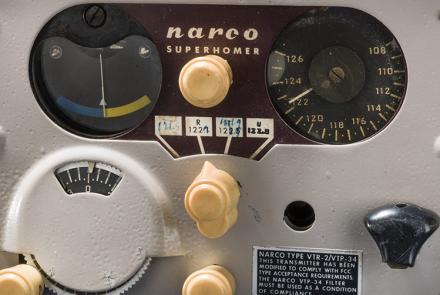
This mid-1950s era VOR receiver helped usher in a new era of all-weather navigation capability for light aircraft at moderate cost.
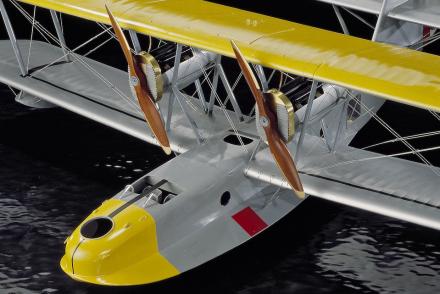
Cmdr. John Rodgers and his crew spent nine days adrift at sea in this aircraft after failing to rendezvous with a refueling ship.

Deep Space Network (DSN) sends signals to a spacecraft, which returns these signals to the stations on Earth.
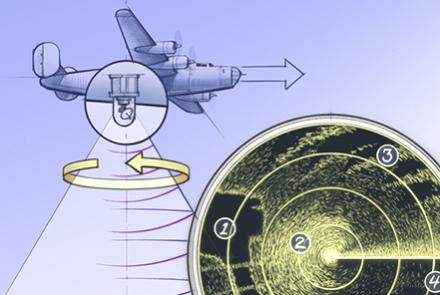
Aircraft equipment receives microwave signals to create an image of ground features from signal time delays.
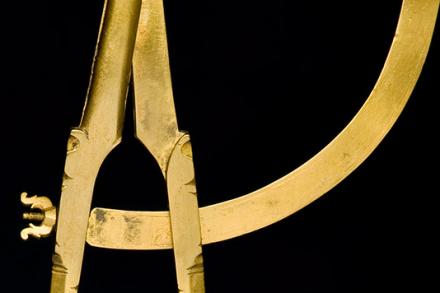
Navigational dividers measure the distance between two points on a chart to mark the ship’s position.
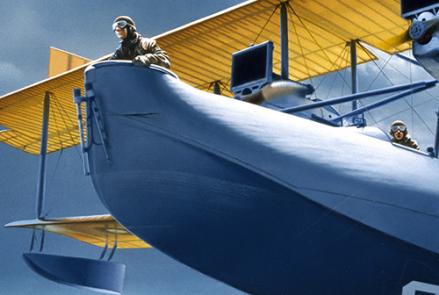
The U.S. Navy’s Curtiss NC-4 flying boat made the first crossing of the Atlantic by air in 1919.
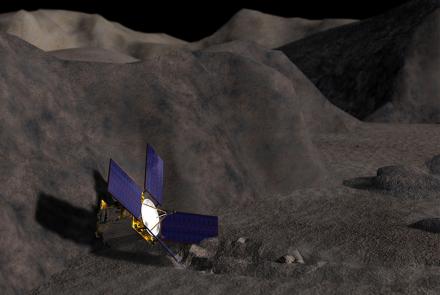
This illustration depicts NEAR-Shoemaker after landing on the asteroid Eros.

Illustration of the New Horizons spacecraft as it approaches Pluto and its largest moon, Charon, in 2015.

Less than two months after arriving in England, Crosby had his first major test as a lead navigator on the Eighth Air Force’s most daring mission to date. The target was a German naval installation. It was regarded as a major success, and Crosby received the Distinguished Flying Cross for his efforts.

