


Multimedia Gallery
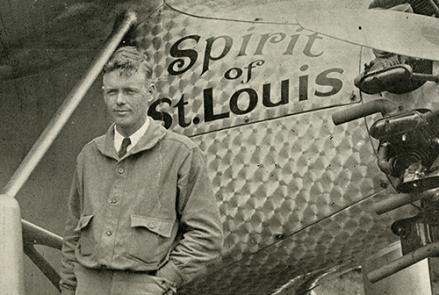
Charles Lindbergh in front of his Ryan NYP Spirit of St. Louis in St. Louis, Missouri.

In 1837, Captain Thomas Sumner of Boston devised what would become "line of position" sailing.
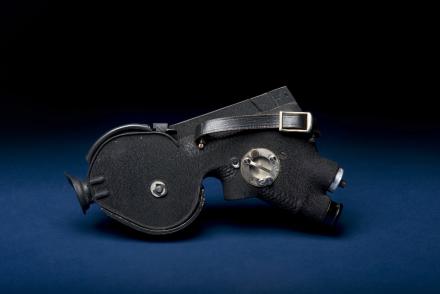
The Link A-12 Sextant represented a new generation of “averaging” sextants.

Trained in air navigation by P. V. H. Weems
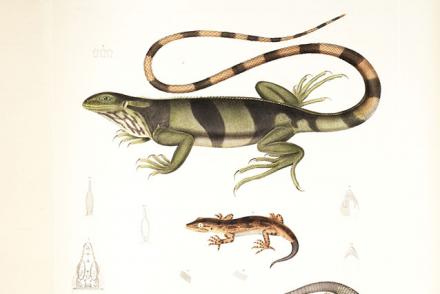
Lizards, South America (Teius teguixin, Brachylophus fasciatus, Hoplodactylus pomarii)
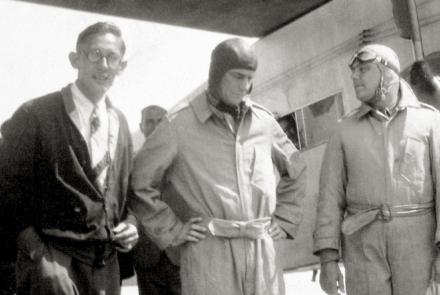
Philip Payne, James DeWitt Hill, and Lloyd Bertaud with their plane Old Glory.
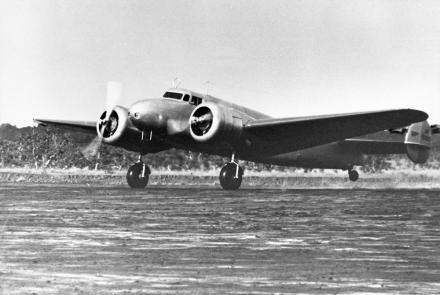
The 10E was an excellent aircraft, but it lacked sufficient range to make a South Pacific crossing safe and practical.

This Lockheed RC-121D featured periscopic sextant ports for celestial sightings, eliminating the need for astrodomes.
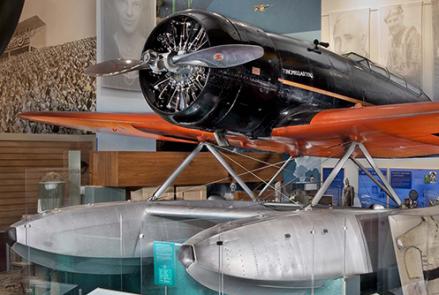
Charles Lindbergh and his wife Anne Morrow made a series of transoceanic airline survey flights in this Lockheed Sirius.

Advances in computing made celestial navigation practical for the Mach 3+ SR-71.
